Table of Contents
- Key Points
- Why Summer Safety Planning Matters in the Upstate
- Understanding Heat-Related Illness
- Core Elements of a Summer Site Safety Program
- Managing Weather-Related Hazards Beyond Heat
- Dust, Air Quality, and Respiratory Considerations
- Heavy Equipment Operation in Summer Conditions
- Building a Culture of Proactive Safety
- Learn More About Summer Construction Site Safety
- Frequently Asked Questions
- References
Key Points
- Heat-related illness is one of the most preventable yet persistent risks on Upstate South Carolina job sites during the summer months, and structured hydration, rest, and acclimatization protocols significantly reduce incidents.
- Seasonal hazards such as afternoon thunderstorms, elevated dust exposure, and heavy equipment operation require coordinated site planning, particularly on active grading and earthmoving projects.
- Well-planned and executed safety policies protect workers, keep projects on schedule, and reflect the standards of excellence we embrace at Collins Hammett.
Why Summer Safety Planning Matters in the Upstate
The Upstate region of South Carolina experiences distinct seasonal patterns of high heat, elevated humidity, and frequent afternoon thunderstorms between May and September. For construction crews working outdoors—often on projects involving heavy machinery, exposed earthwork, and prolonged sun exposure—these conditions are linked to an increase in occupational risk.
At Collins Hammett Construction, safety planning is treated as an integrated part of project management. This is especially important for upstate grading Greenville SC projects where crews are working in open, unshaded areas during peak site preparation phases. A well-structured summer safety plan protects workers, reduces liability, and helps keep project timelines intact by minimizing weather-related delays and incident-driven work stoppages.
Understanding Heat-Related Illness
Heat is the most significant seasonal hazard construction workers face. The Occupational Safety and Health Administration (OSHA) identifies heat exhaustion as one of the leading causes of preventable workplace injury during summer months, particularly in industries involving sustained outdoor physical labor.1
Heat-related illness typically progresses in stages, and recognizing early symptoms allows supervisors to intervene before conditions become severe. Common warning signs include:
- Heavy sweating accompanied by cold, clammy skin
- Dizziness, headache, or confusion
- Muscle cramps, particularly in the legs or abdomen
- Nausea or vomiting
- Rapid heartbeat or shallow breathing
Left unaddressed, these symptoms can progress to heat stroke, a medical emergency requiring immediate attention. Because early symptoms are sometimes dismissed as ordinary fatigue, structured monitoring protocols are essential.
Core Elements of a Summer Site Safety Program
A comprehensive summer safety program addresses hydration, scheduling, equipment operation, and communication as interconnected systems (rather than isolated checklist items).
Hydration and Rest Protocols
- Water stations positioned within a short walking distance of all active work zones
- Scheduled hydration breaks, independent of individual thirst cues, since thirst is not a reliable early indicator of dehydration2
- Shaded or air-conditioned rest areas for recovery periods
- Monitoring of electrolyte intake for crews engaged in prolonged physical exertion
Work Scheduling Adjustments
- Shifting the most physically demanding tasks to early morning hours when temperatures are lower
- Rotating crew assignments between high-exertion and lower-exertion tasks throughout the day
- Building in additional rest periods during forecasted heat advisories
- Proactively adjusting timelines when extreme heat is forecast
Acclimatization for New and Returning Workers
Workers who are new to a site, or who have been away from physical outdoor labor for an extended period, face a substantially higher risk of heat-related illness during their first one to two weeks of exposure. Gradual acclimatization schedules, which incrementally increase workload and duration over several days, are a recognized best practice for reducing this risk.
Managing Weather-Related Hazards Beyond Heat
Summer in the Upstate also brings frequent afternoon thunderstorms, which introduce their own set of hazards, particularly around lightning exposure, temporary flooding of excavated areas, and reduced visibility.
Key precautions include:
- Monitoring weather forecasts and radar throughout the workday (not solely at shift start)
- Establishing clear protocols for suspending outdoor work when lightning is detected within a defined radius
- Securing loose materials and equipment ahead of anticipated storms
- Inspecting excavated or graded areas for water accumulation before resuming work, since saturated soil can compromise slope stability
- Ensuring proper drainage planning is incorporated into the site’s grading design from the outset
This last point is particularly relevant for grading contractors Greenville SC rely on for site preparation, since properly engineered grading and drainage systems reduce both safety risk and long-term erosion issues on active job sites.
Dust, Air Quality, and Respiratory Considerations
Dry summer stretches between storms can elevate airborne dust levels, especially during demolition, grading, and earth moving operations. Prolonged exposure to construction dust can contribute to respiratory irritation and, over time, more serious occupational health concerns.
Standard mitigation practices include:
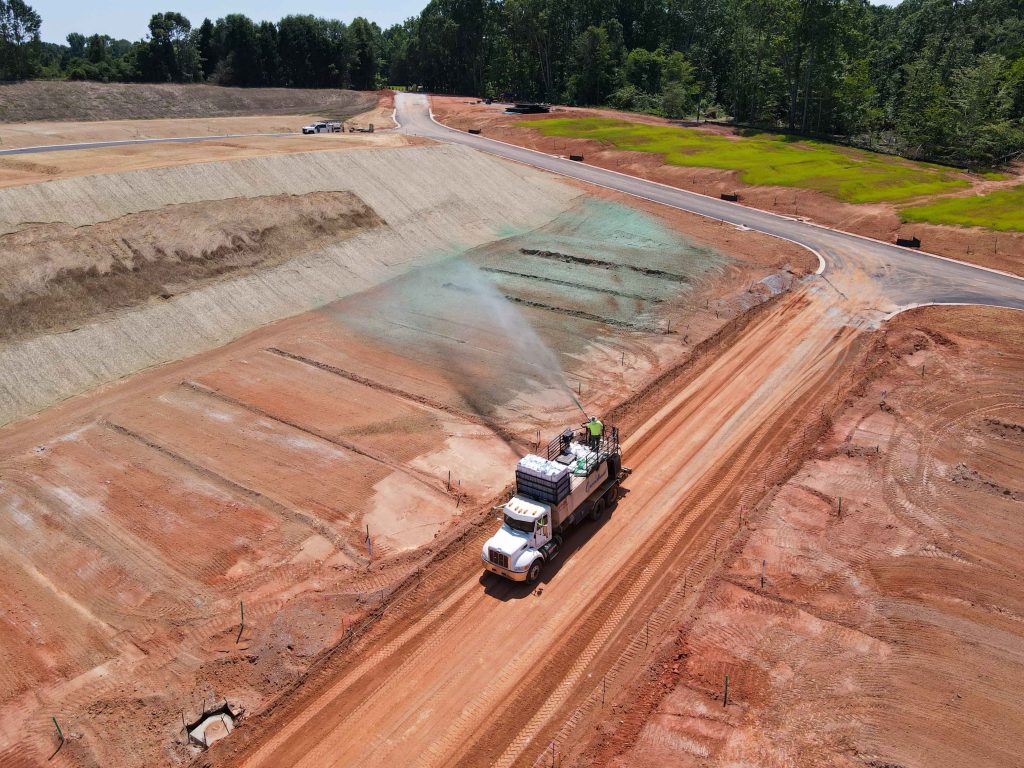
- Water application to exposed soil and haul roads to suppress dust
- Use of appropriate respiratory protection during high-dust activities
- Scheduling dust-generating tasks to avoid peak wind conditions when possible
- Regular equipment maintenance to minimize exhaust and particulate emissions
Heavy Equipment Operation in Summer Conditions
Heat affects not only workers but also equipment performance. Hydraulic systems, tires, and engine components are all subject to increased strain during high-temperature operation. That is why a summer equipment safety checklist typically includes:
- Increased frequency of fluid level and pressure checks
- Monitoring for overheating warning indicators
- Ensuring operator cabs have functioning climate control, since operator fatigue directly affects reaction time and decision-making
- Scheduling equipment-intensive tasks, such as heavy grading and earthmoving, during cooler parts of the day (when possible)
Building a Culture of Proactive Safety
Beyond individual protocols, the most effective summer safety programs are supported by a broader culture in which workers feel empowered to report hazards, request breaks, and flag early symptoms of heat stress without hesitation. This requires:

- Regular safety briefings that address seasonal (not just general) hazards
- Clear communication channels between field crews and site supervisors
- Documented incident reporting procedures
- Ongoing training refreshers throughout the summer season
For companies managing multiple active sites, consistency across them all is essential. Standardized protocols, applied uniformly regardless of project type or crew size, reduce the likelihood of gaps in coverage.
Learn More About Summer Construction Site Safety
Summer safety requires a layered approach that accounts for heat, storms, dust, and equipment strain—all simultaneously. Collins Hammett Construction applies structured hydration, scheduling, and monitoring protocols across its grading, earthmoving, and commercial construction projects, in order to protect crews while maintaining project timelines.
As seasonal conditions intensify each year, proactive planning remains the most reliable method for reducing preventable incidents on active job sites. Reach out to us today to learn more about our standards of excellence.
Frequently Asked Questions
What is the most common summer construction hazard in the Upstate?
Heat-related illness, including heat exhaustion and heat stroke, is generally considered the most common and most preventable hazard during summer months, particularly for crews engaged in prolonged outdoor physical labor.
How often should workers take hydration breaks during hot weather?
Scheduled breaks—rather than breaks based solely on individual thirst—are recommended. Many programs schedule hydration breaks at consistent intervals throughout the workday, with increased frequency during heat advisories.
Why does grading and drainage planning matter for summer safety?
Properly engineered grading reduces water accumulation and slope instability after summer thunderstorms, which lowers the risk of site hazards and helps maintain safer working conditions for crews operating heavy equipment.
Do new workers face a higher risk of heat-related illness?
Yes, workers who are new to a site or returning after time away from physical labor typically face a higher risk during their first one to two weeks. For this reason, they can benefit from a gradual acclimatization schedule.
How does summer weather affect heavy equipment on job sites?
High temperatures increase strain on hydraulic systems, tires, and engine components, making regular equipment inspections and climate-controlled operator cabs important parts of a summer safety program.
References
- “Overview: Working in Outdoor and Indoor Heat Environments,” Occupational Safety and Health Administration, April 2026, https://www.osha.gov/heat-exposure.
- “Dehydration,” The Mayo Clinic, May 2025, https://www.mayoclinic.org/diseases-conditions/dehydration/symptoms-causes/syc-20354086%20.

Thomas R. Strange III is a member at Collins Hammett Construction, LLC, located in Upstate, SC. He grew up in the grading industry, starting his career with summer and after-school jobs in 1992. In 1997, he began working full-time, running equipment for numerous projects in the area. Find him on LinkedIn.